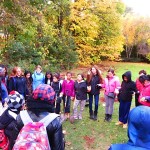
Confirmation
The Sacrament of Confirmation is one of the three Sacraments of Initiation, the other two being Baptism and Eucharist. For adults, these three sacraments are received together when they are initiated into the Catholic Christian community.
But for young people who were baptized as infants or young children, when they reach Grade 7, they are offered the opportunity to reaffirm their Baptismal faith and celebrate this through the sacrament of Confirmation. Those who wish to receive the sacrament put in a formal request. Candidates are prepared through a program conducted during the school year either through St. Gabriel’s School or the Children’s Faith Program in the parish. It includes group sessions, community service and a retreat.
Young people who do not attend St. Gabriel’s School and who wish to be confirmed should contact the parish office.
2017 Confirmation Mass at St. Gabriel’s Church – date to be determined
2016-7 Class dates for candidates (St. Gabriel’s School and other Catholic schools)
The remaining class meetings are Nov 26, Dec 17, 2016, Jan 14, 28, Feb 11, Mar 11, 25, April 29, May 27, 2017. All classes meet at 2:30 pm in the Gabriel Room, St. Gabriel’s Church.
2017 Confirmation Retreat Day to be determined
 Founded by St. Paul of the Cross, every Passionist takes a special vow to spend his or her energies in promoting remembrance of the sufferings of Jesus, the memory of the Cross, and reflection of the meaning of the Cross for the world.